Globalization and Neocolonialism – Research & Analytical Writing
Research-based analytical article examining how globalization can reproduce neocolonial power structures through economic dependency, resource extraction, and cultural influence, with a focus on historical continuity and modern geopolitical dynamics.
Languages: English
Clear, evidence-based analysis that strengthened the publication’s authority and improved reader engagement on complex geopolitical topics.
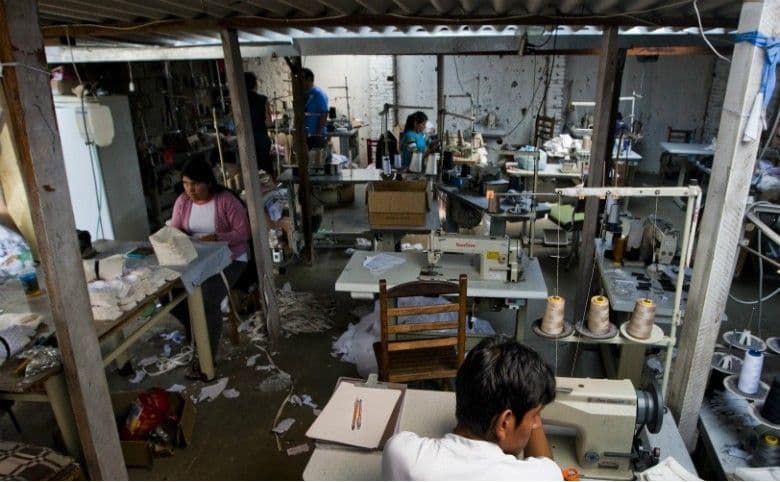
Source: onumulheres
Integration, cooperation, and influence among countries at various levels are key features of the current international regime. Based on the aegis of globalization, States can negotiate not only products and services, but also ideas, values, and cultures. In theory, this idea might seem the best method of interaction and coexistence between international actors, although globalization also has a very negative side in practice. The false notion of “hegemony” among States is, in fact, a distraction from which doctrine truly rules the globe.
According to Ogar et al. (92), globalization has been used as a tool for neo-colonial interests, promoting Western values and cultures among other civilizations, closely related to an imperialist ideology (90). This imperialist standardization finds power and influence through market forces, using communication, information, and technology systems to impose the universal notion of "how-to-do”. This global homogenization through market forces increasingly fosters inequality, poverty, dependence, and polarization between poor and rich States.
The Federal Reserve Bank of Dallas, in one of its written productions called Everyday Economics (2014), says:
Today, many different countries are involved in the production process. Various parts of many goods are produced in locations throughout the world and shipped to a final assembly plant. (...) Clothing, textiles and a host of other consumer goods travel internationally to their final destinations (4).
However, what is clear is that market forces use an economic and political exploitative policy to control and manipulate developing countries (Ogar et al 91), especially in the labor market. These powers are seeking for new forms through which they can maintain the essentials of their economic domination and still wield political influence (Woddis 32). Labor dependence among poor and rich countries is mainly due to the relationship between cheap labor and higher profits. Many of the goods sold today are produced in countries where labor is plentiful and cheap, and whose companies care little about the working conditions, health, and well-being of their employees.
The image selected above was taken from the website "Onu Mulheres Brasil" and is part of an article produced by the United Nations system in Brazil about slave labor. We can observe a young man sitting down at a sewing table wearing a white t-shirt, not a work uniform. Although we can’t see his face completely, he doesn’t seem happy in that environment. The place is not well illuminated, it seems disorganized, old, and dirty. Despite a few people in the image, this textile factory must have a lot of workers because it is remarkable the amount of messy tables. With all these features, it can be affirmed that this informal factory is not healthy at all for the employees, physically and mentally. Many of these workers don’t have basic labor rights, such as reasonable working hours, health protection, workplace safety, and minimum wage. This scenario shows the convergence between globalization, neoliberalism politics, and its new forms of slave labor.
Labor exploitation mostly affects the poorest and most marginalized countries in the international system. The most vulnerable populations are unaware of their basic rights, and because of their economic conditions, submit to the physical and psychological abuse that many employers promote. The work environment depicted in the image above shows how market forces do not care about appropriate conditions or human dignity. It occurs not only in Latin countries, but also and perhaps more, in African and Asian countries.
The global economy and its notions of free markets are solidified through the worldwide dissemination of sales, production facilities, and manufacturing processes, operations regulated economically by the international division of labor (Reich 10). The role that the ILO plays is of paramount importance, since the organization is responsible for creating international labor standards, exercises indirect supervision, provides technical assistance, and has the ability to influence trade agreements through evaluations and reports.
The image shown above only reinforces the notion that it is increasingly necessary to regulate and monitor companies, as well as the real working conditions they provide to their employees. Every human being is entitled to decent work with health, safety, and fair wages. These images are shocking portraits of the reality of many developing countries and show how this cause needs to have greater visibility within the international community.
References
- Entidade das Nações Unidas para a Igualdade de Gênero e Empoderamento das Mulheres. “Sistema ONU no Brasil divulga nota sobre portaria do trabalho escravo.” ONU mulheres Brasil, 20 Oct. 2017,
- Ogar et al. “Archetype of globalization: illusory comfort of neo-colonialism in Africa.” International Journal of Humanities and Innovation, Vol. 2, No. 3, 2019, pp. 90-95.
- Reich, Simon. “What is Globalization? For possible answers” The Helen Kellogg Institute for International Studies, 1998.
- Williams, Princeton. “Globalization.” Everyday Economics, Federal Reserve Bank of Dallas, 2014, pp. 1-13.
- Woddis, Jack. Introduction to Neo-Colonialism. Lawrence & Wishart, 1967.